



MindChamps founder David Chiem to receive honorary doctorate from Western Sydney University
 Article
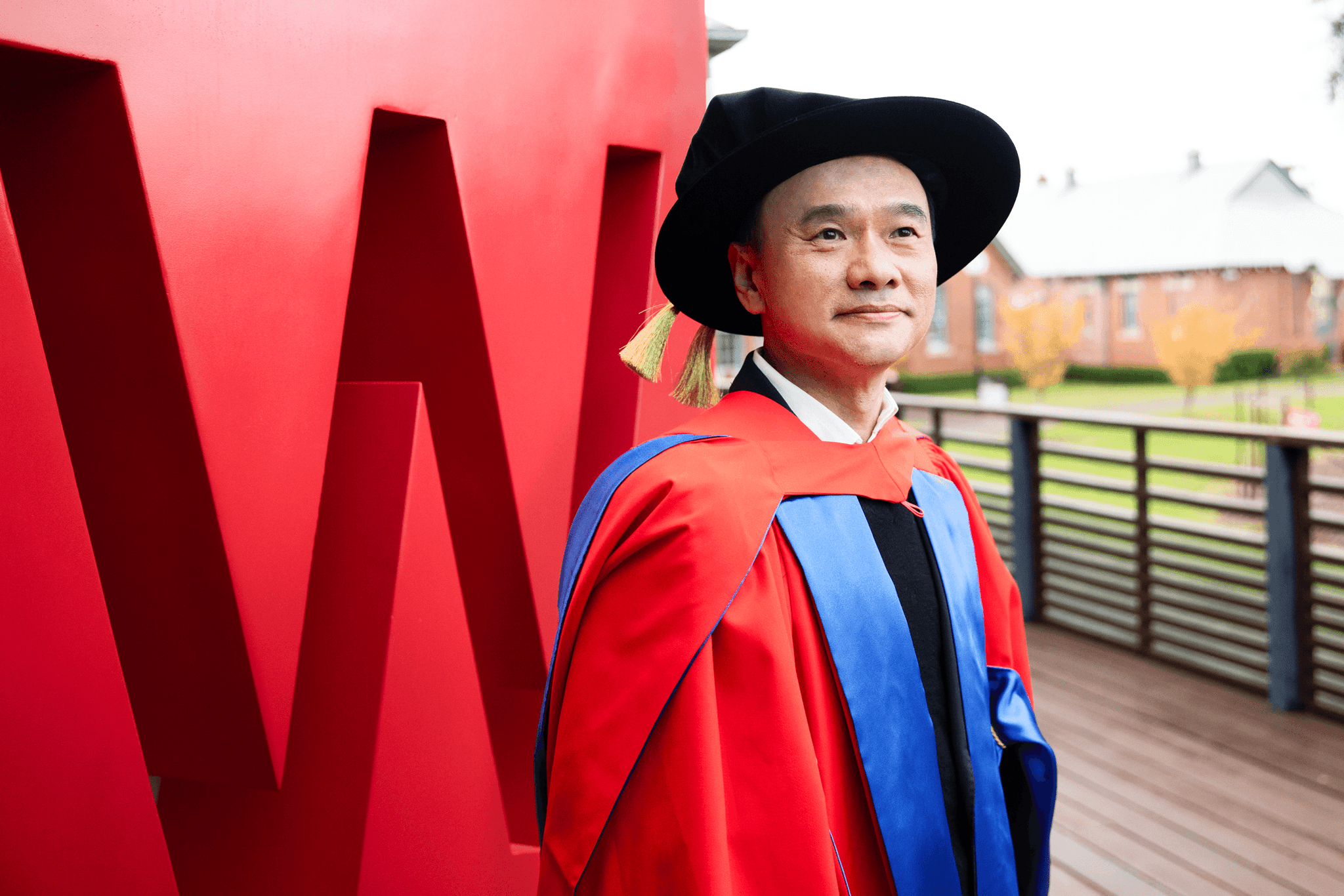
MindChamps founder CEO and Executive Chairman David Chiem has been awarded a Doctor of Letters (honoris causa) by Western Sydney University (WSU), recognising his contribution to early childhood education, literacy and educational innovation in Australia and internationally.
The recognition marks a significant milestone for Mr Chiem, whose journey from refugee to education entrepreneur has helped shape one of the Asia-Pacific region's most recognised early learning organisations.
Arriving in Australia from Vietnam as a child refugee, Mr Chiem settled in Western Sydney and has frequently spoken about the challenges of entering school with little English. Those early experiences would later inform his commitment to literacy and educational opportunity for young children.
Today, MindChamps operates across Australia, Singapore and other international markets, delivering a research-informed approach to early childhood education centred on its "3-Mind Education Model", the Champion Mind, Learning Mind and Creative Mind.
Under Mr Chiem's leadership, the organisation has expanded its influence beyond early learning services, investing in research, educator development and educational innovation. MindChamps has also gained international recognition for its proprietary educational methodology, which has been protected through patents in multiple jurisdictions.
The honorary doctorate also reflects a growing relationship between MindChamps and Western Sydney University.
In 2024, the two organisations established the Western Sydney University, MindChamps Academy for Early Childhood Innovation, a partnership focused on strengthening educator capability, advancing research and supporting innovation in the early childhood education and care sector.
The academy was created to foster collaboration between industry and higher education, with a particular emphasis on translating research into practice and supporting the development of the future workforce.
Mr Chiem's recognition comes as the sector continues to navigate significant challenges, including workforce shortages, increasing expectations around quality and growing demand for evidence-informed practice.
Against this backdrop, partnerships between universities and providers are attracting increasing attention as a mechanism for strengthening professional learning, supporting innovation and improving outcomes for children.
The honorary doctorate acknowledges both Mr Chiem's personal contribution to early childhood education and the broader role that research, innovation and collaboration can play in shaping the future of the sector.


Don’t miss a thing




Related Articles