



Celebrating Culture and Language in Early Childhood: Why It Matters and How to Do It Well
 Marketplace
In every early childhood setting, culture and language are far more than “add‑ons” to programming, they are powerful foundations for identity, connection and inclusion. What children experience in their early years shapes how they see themselves, how they learn, and how they relate to others. Yet too often, cultural celebration is treated as a token activity rather than a lived, everyday part of learning.
So how can early childhood services move beyond surface observances to embed cultural and linguistic diversity into daily practice, and why does this matter not just for children from diverse backgrounds but for all children?
This is a question educators and leaders are increasingly asking, and one that reflects contemporary thinking about quality practice, belonging and respectful engagement.
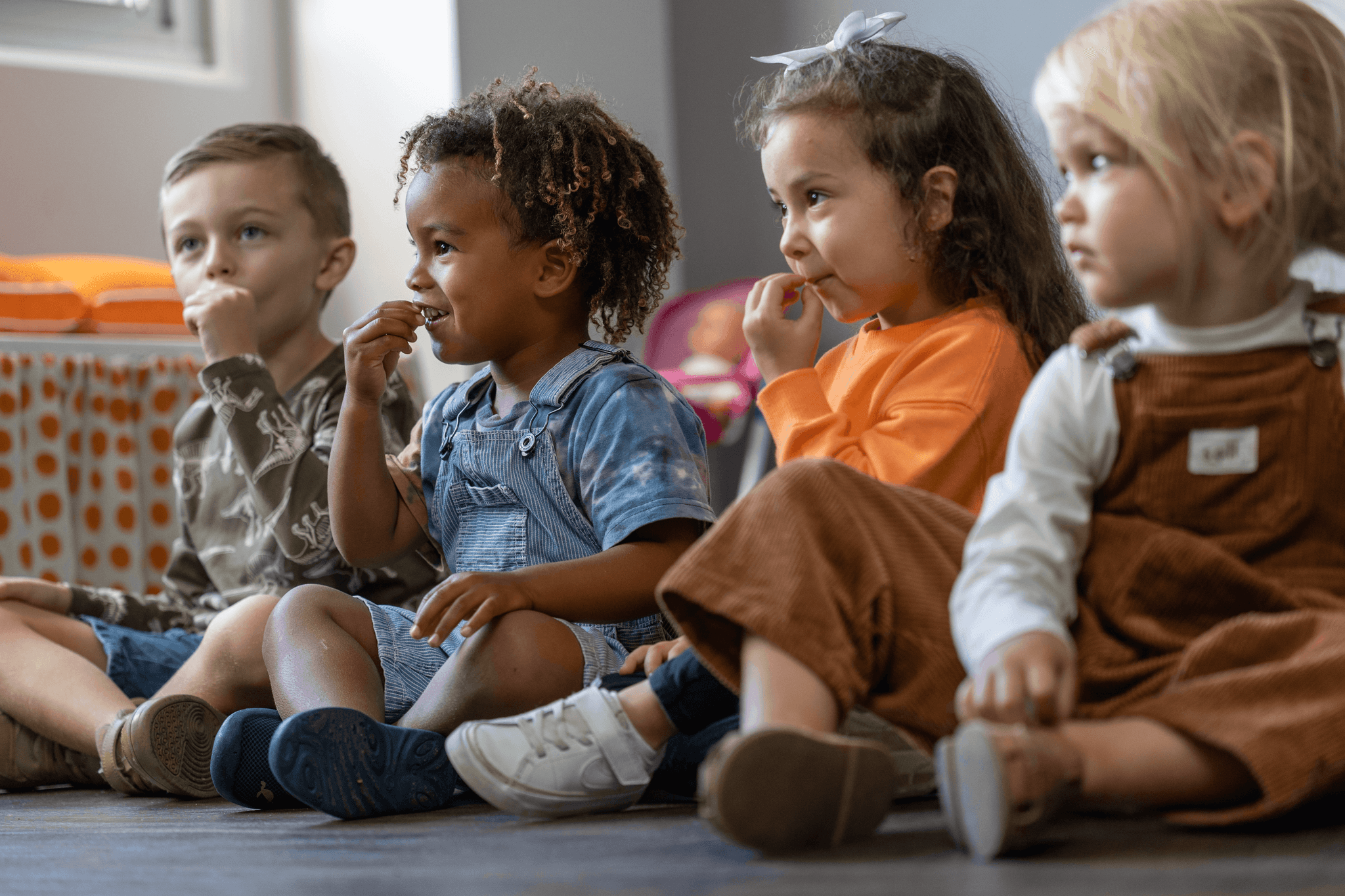
Children do not learn in isolation; they learn through relationships, language and lived experiences. When educators incorporate children’s languages, traditions and cultural knowledge, into routines, rituals and learning environments, children feel seen, respected and safe.
This matters for all children. When children see their own culture reflected in their environment, through language, songs, stories and familiar rhythms, they develop a stronger sense of belonging and identity. That sense of belonging is linked to wellbeing, confidence, social competence and engagement in learning.
For children from culturally and linguistically diverse backgrounds, this affirmation protects against marginalisation and exclusion. For children from dominant cultures, culturally rich environments build empathy, curiosity and respect, skills that are essential in a culturally diverse Australia and a globalised world.
True cultural celebration doesn’t require elaborate festivals or specific months on the calendar. In fact, the most meaningful examples are often the simplest and most consistent:
- Singing lullabies or songs in children’s home languages
- Inviting families to share real stories about their heritage
- Incorporating greetings and expressions from the languages in your community
- Using books, music and materials that reflect genuine diversity
- Encouraging children to talk about foods, rituals and celebrations that matter to them
These practices tell children: “Your culture matters here.”
Some services greet children in their home language at arrival time, building trust, deepening connection, and increasing engagement. The response from children and families can be immediate: children light up, families feel welcome, and peer language exchanges teach children learned words and greetings from one another.
Language isn’t just communication, it’s thought. Each language carries unique ways of categorising experience, expressing relationships and teaching social norms. Exposure to multiple languages supports cognitive flexibility, metalinguistic awareness and deeper social understanding.
In Australia there are countless world languages spoken in homes every day. Rather than treating this diversity as a challenge, early childhood settings can see it as an asset, a resource that enriches educational practice and nurtures cultural competency in children and educators alike.
Multicultural and multilingual education doesn’t require perfection in pronunciation, what matters is authenticity, respect and a genuine curiosity to learn alongside children and families.
As educators strengthen their approach to culture and language, programs like Hey Dee Ho educational services offer practical tools, inspiration and frameworks that support this work.
Hey Dee Ho resources emphasise:
- Songs and music as vehicles for language learning, including multicultural songbooks and musical activities designed specifically for early learning contexts
- Culturally responsive practice, encouraging educators to bring their own cultural experiences and language into programming
- Social connection through rhythm and language, helping children express identity while building communication skills and confidence
- Linguistic inclusion, not as an add‑on but as an embedded element of daily practice
For example, a central philosophy across Hey Dee Ho offerings is that children’s linguistic worlds, including Indigenous and community languages, are resources for learning, not barriers to overcome. By partnering with families and drawing on authentic stories and music, educators can build rich, inclusive learning environments where every child feels they belong.
Teachers and services using Hey Dee Ho have reported strong engagement in language-rich learning times, increased peer interactions, and deeper family participation, outcomes that align closely with key quality standards in early childhood practice.
Explore Hey Dee Ho’s early childhood programs and resources here.
Practical steps you can use now
Here are a few examples of everyday practices your team can start using:
- Create a “Language Wall”
Invite families to contribute a meaningful word or phrase from their home language, such as “friendship”, “welcome” or “play”. - Build a Multilingual Playlist
Gather songs in the languages spoken by your families. Use them during greetings, transitions or group time. - Use Real Family Stories
Ask family members to share a simple cultural story. Display these with photos and reflections made by children. - Reflect in Practice Meetings
In team meetings, discuss how culture shows up in your routines. What’s working? What can deepen?
Too often, culture and language are treated like modules or theme weeks. But real cultural inclusion isn’t an event, it’s ongoing practice. It’s in the words you choose, the songs you sing, the questions you ask and the openness you bring to learning from families.
When culture and language are celebrated authenticall…..Children flourish. They experience not just diversity, but connection, confidence and community.
And as educators, you get to be part of that powerful journey.


Don’t miss a thing


Related Articles